The plumbing is being rebuilt in public. The largest dollar stablecoin is moving back onto Bitcoin’s base layer, a payments network just switched on across an entire continent, and one of crypto’s biggest exchanges wants to be a bank.
- Tether is issuing USDT natively on Bitcoin again, over a decade after the token first launched there
- 37 European markets can now accept and settle crypto payments through Flexa’s newly live network
- Kraken is applying for a full bank license in Lithuania, a first for a crypto exchange in Europe
The direction is consistent. Crypto is being wired into the base layers of money, the settlement rails, the payment networks, the banking charters. The open question in every case is the same: as the infrastructure matures, who ends up holding your keys.
Tether brings USDT back to Bitcoin via RGB
 Source: Crypto Briefing
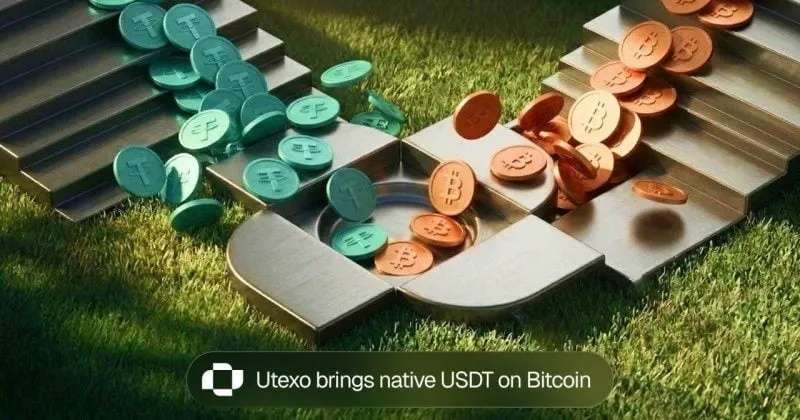
Tether is bringing USDT back to Bitcoin, issuing its stablecoin natively on the network through the RGB protocol. The commercial rollout is led by UTEXO, a Bitcoin-native settlement layer that raised $7.5 million in seed funding earlier this year, backed largely by Tether itself. A live launch is expected within weeks.
USDT first launched on Bitcoin in 2014 before most of its activity moved to Tron and Ethereum. RGB anchors settlement to Bitcoin while keeping transaction data off-chain, which allows for faster, lower-cost and more private transfers, and lets USDT move through the Lightning Network for payments.
Zypto take: The stablecoin that carries most of crypto’s real payment volume is returning to the most secure base layer there is. This is a story about settlement, about where value ultimately rests.
For people who use stablecoins to actually move money, more rails is the point. Zypto App already holds USDT and other stablecoins in self custody across 20+ blockchains, so the asset works wherever it needs to go.
Flexa goes live with crypto payments across Europe
 Source: Flexa
Flexa has gone live across Europe, extending its payments network to 37 additional countries and territories throughout the SEPA region. Merchants can accept digital asset payments online, in person and in apps, with settlement arriving instantly in euros.
The same network handles payouts, remittances, and on and off ramps between digital assets and local currencies. The European operation runs through Flexa Polska in Warsaw, established ahead of the EU’s MiCA framework. “Businesses across Europe have made it clear they want money movement that simply works,” said CEO Trevor Filter.
Zypto take: Merchant acceptance is the half of crypto payments that usually lags, so a continent-wide network switching on at once closes a real gap for everyday use.
This is the world Zypto builds for. The Zypto Premium VISA Cards let people load crypto and use it for real-world spending wherever Visa is accepted, converting to local currency at load so the amount is known before you buy.
Kraken seeks a full bank license in Europe
 Source: CoinDesk
Kraken is applying for a full bank license in Europe, with Lithuania as its target jurisdiction. If approved, it would be the only crypto exchange in the region to hold one. CEO Arjun Sethi framed it as a decade-long plan to acquire licenses market by market, whether by buying an existing business or building from scratch.
The exchange would be following the path Revolut took with its Bank of Lithuania license. Kraken already gained access to US Federal Reserve payment infrastructure earlier this year, and plans to go public in late 2026 or early 2027.
Zypto take: As exchanges turn into banks, the industry gains real regulatory footing, which is genuinely good for people who want familiar guardrails around their money.
It also sharpens the choice. A balance on a licensed exchange is still a balance someone else holds. Zypto App keeps your keys on your own device across 20+ blockchains, so your access does not depend on anyone’s permission. Download Zypto App.
Key Takeaways
- The base layers are being claimed. A stablecoin returning to Bitcoin, a payments network blanketing Europe, and an exchange chasing a bank charter are all bets on crypto as permanent financial infrastructure.
- Stablecoins remain the workhorse. Almost every serious payments move right now is really about making dollars onchain easier to hold, send and settle.
- Regulation increasingly reads as a market maturing rather than a market being reined in. Bank licenses and MiCA-ready operations are how the industry earns the trust to scale.
- Access keeps widening, but ownership is the part that does not come bundled. More rails and more licenses are useful, and keys on your own device are what turn access into control.
Related topics