Stablecoins are arriving where people already handle money, inside a phone’s built-in wallet and the finance software companies run on. That’s how stablecoins become an everyday way to move money.
- Samsung Wallet switches on USDC transfers for US Galaxy users in the last week of October.
- USDC and EURC are coming to SAP’s business software through Tereina.
- $94 billion in TRON USDT now plugs into Polygon’s Open Money Stack.
Each one puts a stablecoin a step away from the person or business using it, with no separate crypto platform to learn first.
Samsung Wallet sets a date for USDC transfers
 Source: The Block
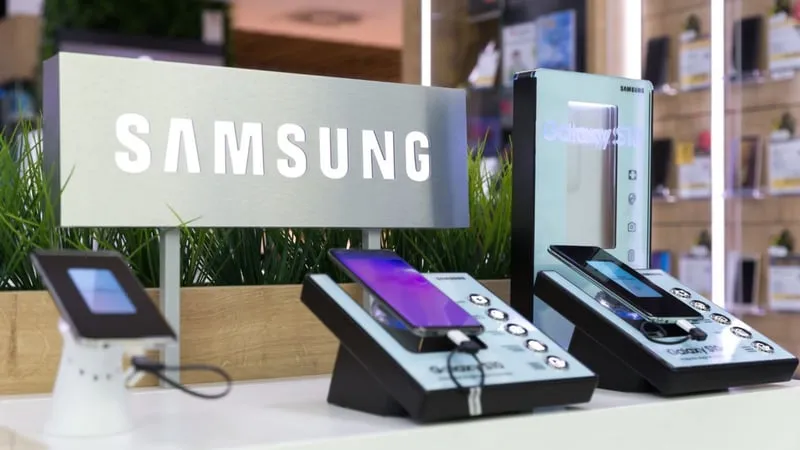
Samsung Wallet and Samsung Pay will support USDC transfers on Solana from the last week of October, The Block reported on October 7, for eligible users of the 82 million Galaxy devices Samsung counts in the US. In July, Samsung only said it planned to add stablecoins. Now there’s a date and a working feature.
Samsung won’t charge for transfers, though receiving wallets or exchanges may. Users can send USDC to compatible external wallets, or to bank accounts in more than 60 countries paid out in local currency. Coinbase will custody the USDC held inside Samsung Wallet, so users won’t manage keys.
Zypto take: A dollar stablecoin inside the wallet that ships on tens of millions of phones makes sending money abroad feel ordinary. The next step is up to each holder: send that USDC to a wallet where the keys sit on your own device, and Zypto App holds USDC across 20+ blockchains. Download Zypto App.
SAP customers get USDC and EURC payments
 Source: Cointelegraph
Circle is bringing USDC and EURC into SAP’s business software through a partnership with Tereina, an SAP-backed financial services company, Cointelegraph reported on October 7. Companies using SAP’s financial apps will be able to send and receive both stablecoins inside the tools they already use for payments, with USDC for dollars and EURC for euros.
The partners plan to test it with customers over the coming months, including for global payments and treasury work. SAP’s ecosystem accounts for 84% of global commerce, according to the announcement.
Zypto take: Finance teams take up new money when it appears inside the software they already run, and that’s exactly where this lands. Businesses that want to accept crypto now can use Zypto Pay, which settles in fiat or 100+ cryptocurrencies with 0% merchant-side processing fees.
Polygon plugs TRON’s USDT into its payments stack
 Source: CoinDesk
Polygon Labs added TRON to its Open Money Stack, CoinDesk reported on October 7, so remittance firms, fintechs and payment companies can offer stablecoin payments and cross-border transfers through one integration. Their customers can fund a payment by bank transfer, debit card or cash, receive USDT in a TRON wallet, and later cash out to a bank account.
More than $94 billion of USDT circulates on TRON. About 93% of the network’s $30 trillion in second-quarter stablecoin transfer volume was peer to peer, the highest share of any network CoinDesk tracks.
Zypto take: Most stablecoin activity on TRON is people paying people, so more ways in and out serve users who are already there. In Zypto App, USDT on TRON can move to other networks through in-app swaps in the multichain wallet.
Key Takeaways
- Stablecoins are reaching people through apps they already have, from phone wallets to business software.
- Dollar and euro stablecoins are both heading into the business software companies use to pay and get paid.
- On TRON, most stablecoin transfers already go person to person, and payment firms are building around that.
- Where your stablecoins sit decides who controls them, and a self-custody wallet keeps that control with you.
- Once stablecoins live inside everyday apps, the next question for holders is where to keep them.
Related topics