Every blockchain asks you to hold a little of its own coin before it will move anything for you. ETH on Ethereum, SOL on Solana, BNB on BNB Chain, and TRX in your TRON wallet. It’s simply how the rails work, and once you know it, it stops being a mystery.
TRON is one of the cheapest chains to send on, which is a large part of why so much value moves across it. Some of that comes down to something most people never notice: TRON gives every account a free allowance, every day.
The free allowance
TRON measures two things rather than charging one flat fee.
Bandwidth is about the size of your transaction. Energy is about the work involved, which means anything that touches a smart contract.
Every account gets up to 600 free Bandwidth on a rolling 24 hours. A plain TRX send is small, so day to day that allowance covers it and the send costs you nothing at all.
It’s a nice piece of design. You get room to use the chain before it asks you for anything.
USDT works a little differently
USDT on TRON is a TRC-20 token, and TRC-20 transfers go through a smart contract. That puts them in the Energy column, and the free daily allowance is for Bandwidth, so it doesn’t stretch to cover them.
The amounts involved are still tiny. It just means a wallet holding USDT wants a little TRX sitting alongside it, and that exception can catch people out.
Two ways to cover it
Stake some TRX. Lock a little up and the network grants you Energy against it. Your TRX stays yours, the Energy renews, and your sends stop costing anything on top.
Or simply hold a little. Do nothing at all and the network takes what it needs from your balance as you go, a fraction of a TRX per unit of Energy. No setup, nothing to think about.
Either way the sums are small. This is a chain people choose precisely because moving money on it barely registers.
What this means in practice
Keep a little TRX in your TRON wallet. That’s the whole lesson, and it’s the difference between a wallet that can always move and one that has to stop and sort itself out first.
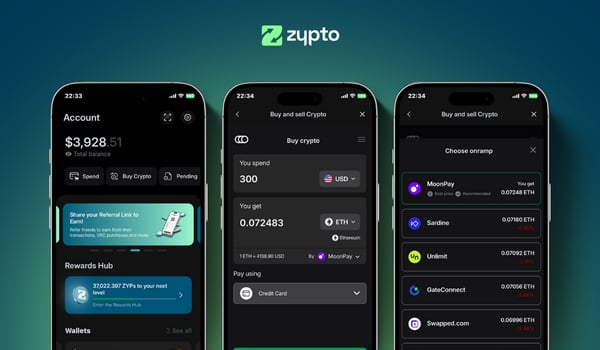
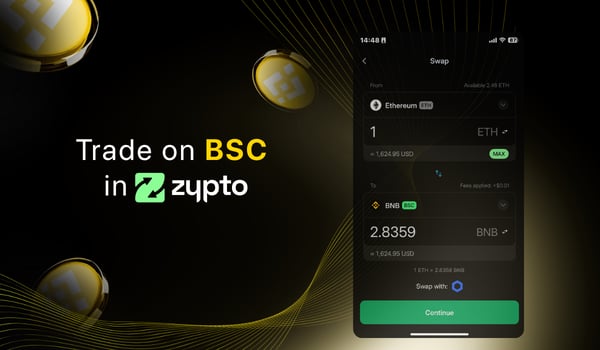
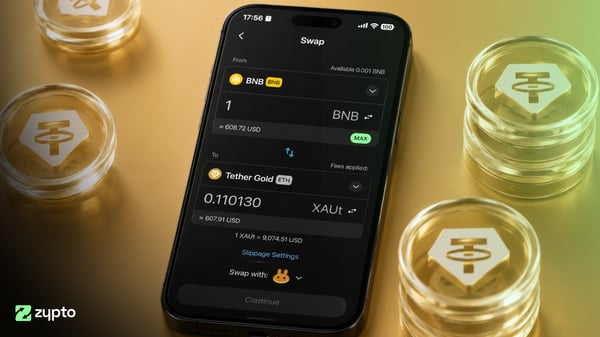
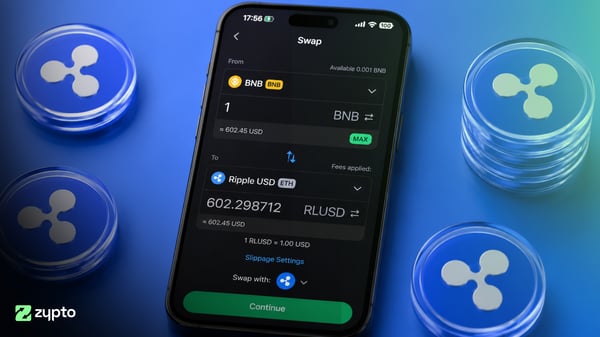
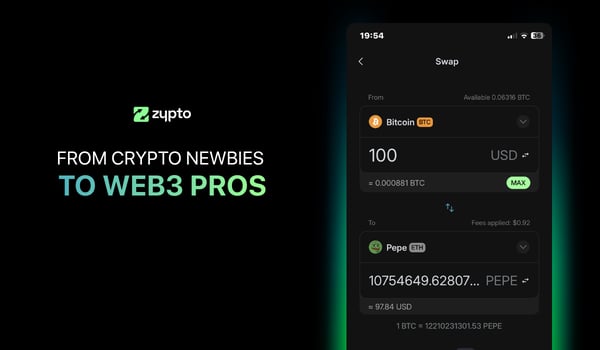
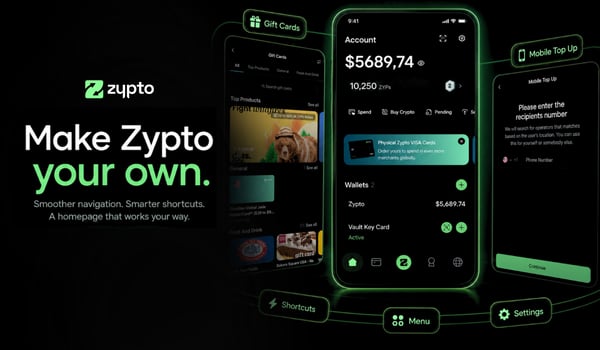
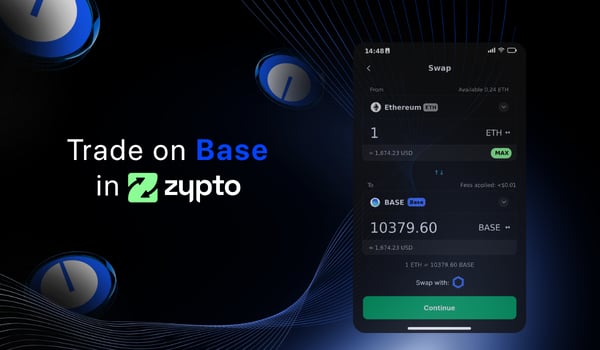
Topping it up is quick. Zypto App has SunSwap built in, so the swap happens on TRON from the balance you already hold, with the rate, the fee and the final amount on screen before you commit to anything.
It works the other way round too. Swap TRX into USDT when you want to send dollars rather than a coin whose price moves while you’re typing the message.
Then send it
Choose the asset, choose TRON as the network, paste the address, confirm. Zypto App asks you to pick the network on purpose rather than guessing for you, which matters because USDT lives on several chains and they don’t talk to each other in transit.
If you want to weigh up the networks, we compare them in USDT networks: TRC-20 vs ERC-20, and the step by step is in how to send USDT.
Download Zypto App, open the TRON wallet, and keep a little TRX in it. That small buffer is what keeps everything else moving.
Free Your Money. With Zypto.
Related topics